Rasvanti: A Tribute to Traditional Indian Foodways
June 2, 2025 2025-06-02 11:23Rasvanti: A Tribute to Traditional Indian Foodways
Navreet Kaur Rana
Modernization and mechanization have impacted almost all aspects of our traditional lifestyles. To name a few, our local real-time folk singing has transformed into recordings in acoustically appropriate studios, local clothing to synthetically produced fabrics, and educating our generations in gurukuls to modern schools. Like our choice of music, clothing, and modes of education, our foodways have also been mechanized to a large extent. Whether it is churning milk to extract butter, grinding grains into flour, tilling of land with tractors, or separating grain from chaff, all these processes have become mechanized. While this mechanization has brought an unprecedented amount of convenience for the manual labourers and a boost in the quantity of produce, some traditional ways of producing food have become a rare sight. Some of these traditions have entirely been lost due to either a lack of documentation or are leading a life of oblivion. ‘Rasvanti’ is one such traditional foodway which is hyperlocal to some villages of Maharashtra. This commentary is an attempt to preserve the story of this traditional foodway for years to come.
‘Rasvanti’ is a name given to the juice-making spots in Maharashtra. The term is conventionally used for shops selling sugarcane juice; sugarcane being one of the major agricultural products of Maharashtra, a state near the western coast of the Indian peninsula. A simple Google search of the term shows that nowadays, Rasvanti is the name given to the electronic equipment used to extract juice from sugarcane. In some parts of Maharashtra, sugarcane juice is also accompanied by a snack – Alipaak, made with groundnuts and puffed rice. A Rasvanti center typically sells this combination. However, a visit to some villages around Nashik revealed a different and intriguing sight about Rasvantis – a manually operated mill with the help of domesticated animals.
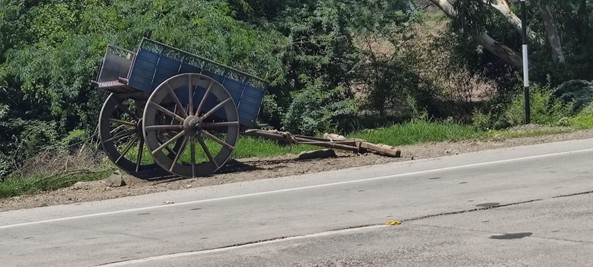
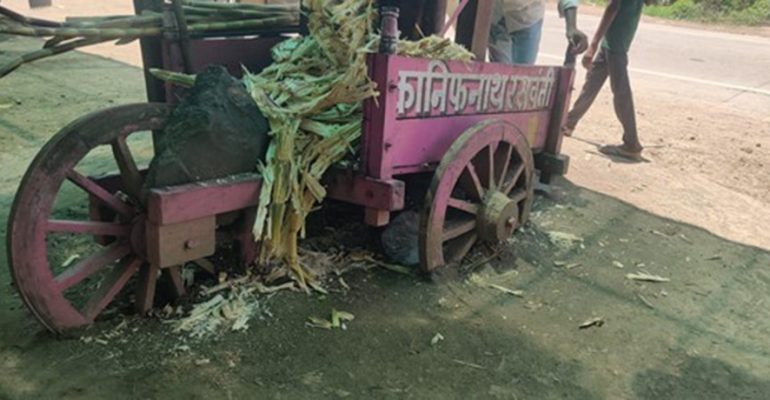
Figure 1: A traditional cart at Rasvanti
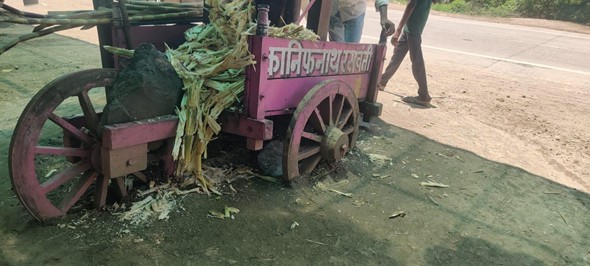
Figure 2: A Rasvanti cart in use
In the summer, small wooden carts with two wheels are set up along both sides of the road in Ahmednagar district. Each of the wheels is made to be stuck firmly in the ground to avoid any imbalance and is often supported by a heavy boulder. The possible cause of this probable imbalance is the animal, a bull, who is tied to the center of this cart. Not only is the animal rotating around the cart, but the ropes tied across his neck are rotating two cylindrical wooden logs, treaded evenly to crush the sugarcane. The sugarcane is manually fed between these two wooden logs, and the juice is collected at the other end. The juice extracted is fresh and is served without any condiments or ice, as opposed to its mechanical counterparts, where it is flavoured with ginger, mint, black salt, and chilled with ice. At times, it is required to manually change the course of the bull to circular as it starts walking straight. Probably, that is why it is required to firmly stick the wheels of the cart into the ground.
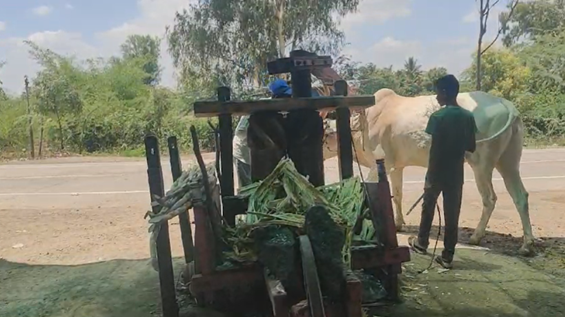
Figure 3: Treaded wooden crushers rotated by the animal
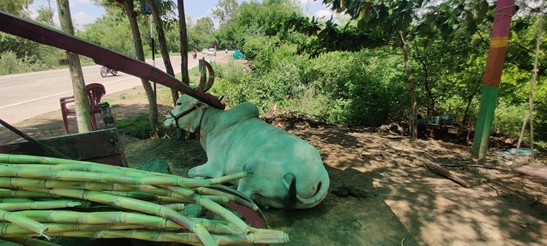
Figure 4: Animal at rest when Rasvanti is not in use
However, ‘Rasvanti’ is not just a machine or the epitome of the origin of figures of speech of the Hindi language, it is a melting point of several phenomena. A ‘Rasvanti’ center, traditionally named after a local deity, is also a space to rest in shade and energize oneself with a generous serving of fresh juice for a nominal amount. It is a center of hope during a journey in hot and humid weather. A humble space, sans of electric supply, has swings for kids to play during their halt. Each one of them has several worn-out plastic chairs for adults to rest in the shade.
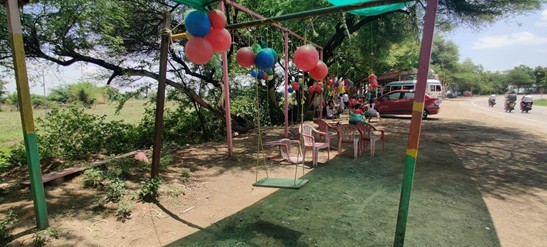
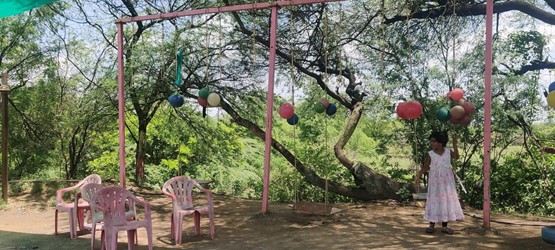
Figure 5 (a) and (b): Swings and Chairs at a Rasvanti centre
It is a space that demonstrates the essence of a symbiotic relation between humans and animals without any exploitation. ‘Rasvanti’ is a perfect example of a sustainable ecosystem where humans and animals coexist. These centres generate no pollution and serve seasonal produce. They offer a true farm-to-plate (or in this case, farm-to-glass) experience. A no-frills expanse, with no boundary walls or demarcation of any kind, becomes a sustaining ecosystem just by the presence of the cart, an animal and a human. What is both intriguing and surprising is that it is not the presence of the ‘Rasvantis’ that makes a major impact on the travelers, but it is their absence that does.
During the scorching summer months, if these ‘Rasvantis’ are absent from the roadside, travelers find themselves in a predicament where there are rarely any other shops, vendors, or even makeshift stalls available to provide water or other refreshing beverages, making their absence felt more acutely than their presence ever was. However, ‘Rasvanti’ centers are also evolving and are on their journey towards commercialization. These centers now also sell sugarcane jaggery packed and labelled as ‘natural jaggery’ mentioning their FSSAI license number. In light of the above facts, which depict the impact of mechanization on traditional Indian foodways, this write-up is a modest attempt to preserve and document the legacy of traditional Rasvanti centres, before animals are replaced by electronic motors and the wooden churner gives way to an electronic Rasvanti, leaving behind only the name, not the spirit of the tradition.
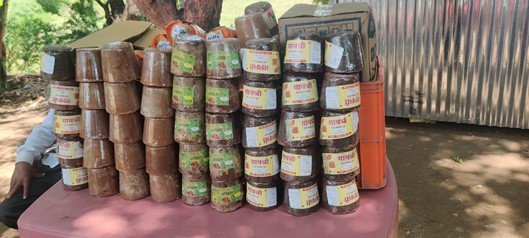
Figure 5: Natural jaggery being sold at one of the centres
Author Biography
Navreet Kaur Rana is a Fellow at the Jindal India Institute. She is a Manager at the Office of the Dean of Research (Projects, Grants and Publications) at O.P. Jindal Global University.