
Saying Cheese: The Indian Way
April 30, 2024 2024-05-31 10:50Saying Cheese: The Indian Way
Navreet Kaur Rana
Columbian Exchange brought with itself many products like chilies and potatoes and by now they have become an indispensable part of Indian meals. However, some other foods, which are also bought to India by colonizers like cheese, introduced by Portuguese, are so overshadowed by their foreign counterparts that the indigenous varieties are leading a life of oblivion. Processed cheese is one such product discussed in this piece.
IMARC reports that since India is currently the world’s largest producer of milk, the cheese market holds significant potential for growth here. This shift in the preference of Indian consumers towards European and western cuisine has largely impacted the scale at which processed cheese is now produced in India. The major drivers behind cheese production are food-items like pasta, pizzas, burgers, sandwiches, wraps, tacos, cakes, garlic bread both in organized and street-food sector, where the food patterns are altered by adding cheese to local street-foods like vada-pavs and dosas. Livemint reports that Cremeitalia, a Mumbai based company, is planning to expand its business five times by selling cheese like bocconcini, burrata, cream cheese and cheddar. Statista reports that the market for cheese in India is expected to grow annually by 8.53% (CAGR 2024-2028) and the revenue in the Cheese market in 2024 amounts to US$12.46bn. Bel Group, a world leader in branded cheese has entered into a joint venture with Britannia for the sale of processed cheese products. Dairy expert Amol Ghodke considers urbanization and rise in disposable income the reasons for shift in consumer preference towards international cuisines leading to an increase in cheese consumption in India. They have termed this shift from traditional cottage-cheese as ‘Cheese Revolution in India’.
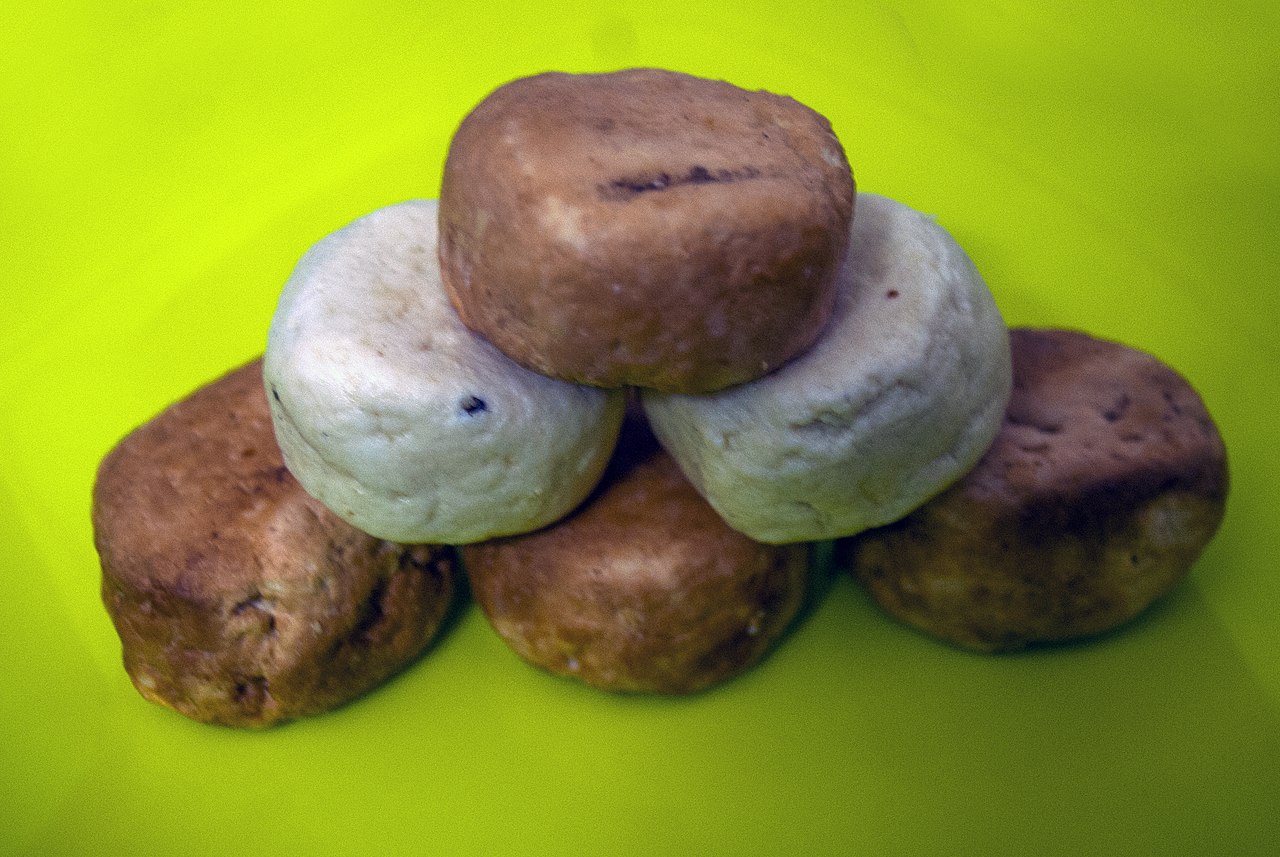
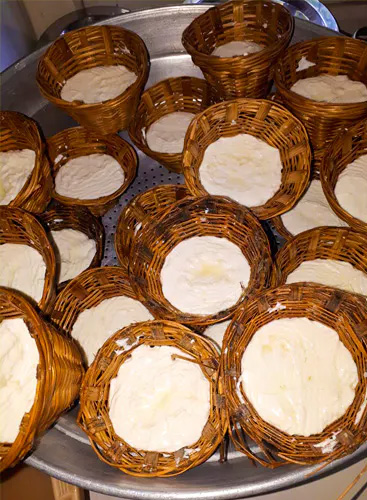
At this juncture, when foreign cheese-making firms are investing in India, and consumers are becoming aware about the variety of cheese like never before, it is also an opportunity for lesser-known indigenous varieties of Indian cheese to establish themselves on the global map. Cheese like Kalimpong and Bandel (see Figure 1) from West Bengal are prepared by only one family now in small quantities due to their perishable nature and shorter shelf-life. Kalimpong is named after the hill station with the same name and is its place of origin. Bandel also was introduced to Indians by the Portuguese in a small town named Bandel, situated around 50 kilometers from Kolkata in West Bengal. Bandel is highly salty as it is stored in brine for preservation. It is available in plain and smoked versions. Another Indian cheese of Parsi origin which was a regular at Parsi weddings is topli-nu-paneer (see Figure 2). It is similar to cottage cheese in texture and is served fresh in small cane baskets known as topli. Traditionally, instead of rennet, dried chicken gizzard linings were used to curdle the milk for this Parsi delicacy. Several other Indian cheese which have pastoral origins are waiting to be recognized – like Kaladi and Quadam from Jammu and Kashmir produced by Gujjar tribe, Chhurpi by north-eastern tribes made with yak-milk and Halloumi with camel-milk by the Raika tribe of Rajasthan. Not much is known about Quadam but Kaladi is prominently eaten as a street snack with baked bread or kulchas and is made from full fat cow, buffalo or goat’s milk. Unlike other cheese, the raw milk for Kaladi is heated mildly and the ideal temperature is achieved by vigorously stirring it with a plunger-like tool which traditionally is a sheep-bone. The coagulated milk mass is then shaped into disks sun-dried for days. Sun-dried Kaladi is powdered and often given to kids as a medicine for dysentery. Arunachal Chhurpi and Kaladi have obtained a GI tag in 2023 for the sake of safeguarding but apart from these and before 2023, all the varieties of cheese from Comté to feta and Roquefort from Greece, Spain, France and Italy have applied for GI tags in India.
The probable reason that Indian cheese are yet to make a mark in the markets could be their shelf -life. Indian cheese, by nature, are young cheese and the concept of maturing and ageing does not apply to them. They are usually preserved by smoking or sun-drying but in most cases are consumed fresh. At a time when processed cheese are made into artisanal cheese without the use of emulsifiers, it is an opportunity for revival for indigenous Indian cheese which are artisanal by their nature. It also opens up a window for Indian chefs to experiment combinations of Indian cheese with foreign wine to gradually introduce consumers with Indian cheese. Chefs like Poorna Banerjee are the hope of the nation who spoke to NDTV Food that she can use Bandel cheese anywhere feta is used because of its dry, crumbly texture and smoky flavour.
Author Biography
Navreet Kaur Rana is a Fellow at the Jindal India Institute. She is Deputy Manager at the Office of Data, Innovation and Technology (ODIT) at O.P. Jindal Global University.